How to Use Local Facebook Groups & Online Communities to Get Clients for Free

Discover how to turn everyday online conversations into valuable business opportunities without spending a single dollar on advertising.

Finding new clients is one of the biggest challenges for small business owners, freelancers, entrepreneurs, and service providers. With advertising costs continuing to compete for limited marketing budgets, many businesses are searching for practical ways to attract customers without paying for expensive campaigns.
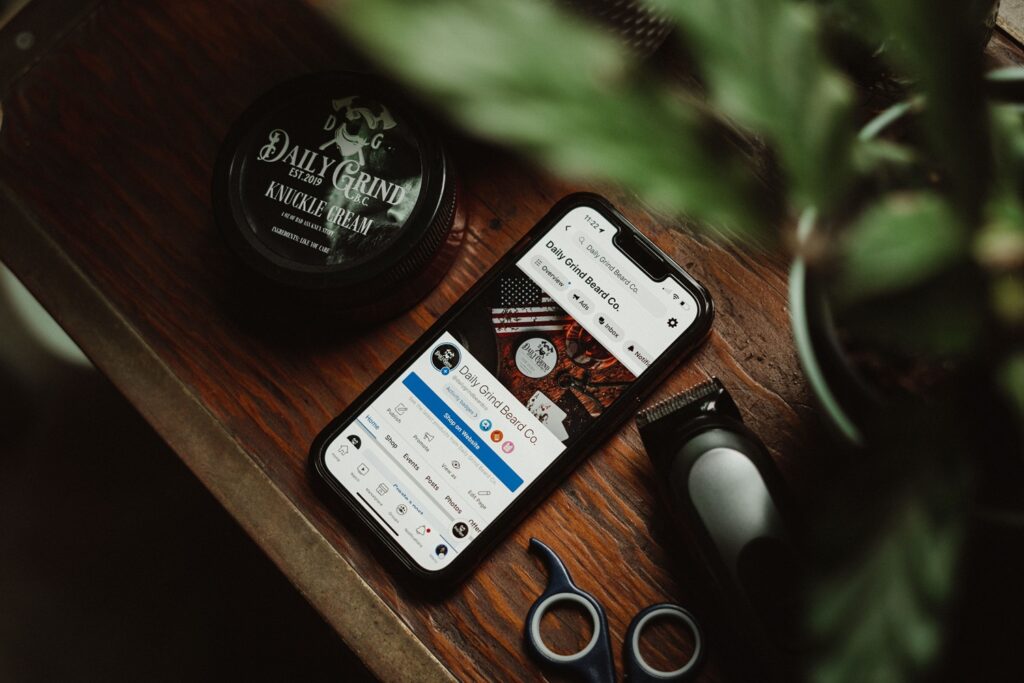
https://images.pexels.com/photos/15525923/pexels-photo-15525923.jpeg

The good news? Some of your best potential clients may already be spending time in local Facebook groups and online communities.

These digital spaces bring together people who live in the same area, share common interests, ask for recommendations, and seek solutions to everyday problems. For business owners willing to participate genuinely, they offer an excellent opportunity to build relationships, establish credibility, and generate leads organically.

However, successful community marketing involves much more than posting advertisements or dropping links to your services. It requires patience, consistency, and a willingness to provide real value.

Let’s explore how you can strategically use local Facebook groups and online communities to attract clients, strengthen your reputation, and grow your business for free.

1. Find the Right Facebook Groups for Your Target Market

The first step toward attracting clients through Facebook groups is joining communities where your ideal customers are already active.

Not every group will deliver meaningful opportunities, so choosing the right ones is essential.

Start by searching Facebook using keywords related to your location, industry, and target audience.

For example, you might search for:

  • Small Business Owners in [Your City]
  • [Your Neighborhood] Community Group
  • Local Homeowners and Residents
  • Entrepreneurs and Freelancers in [Your Area]
  • Local Buy and Sell Groups
  • Parents and Families in [Your City]
  • Community Recommendations and Services

If you operate a home cleaning business, neighborhood groups and homeowner communities may be particularly valuable. If you provide graphic design or bookkeeping services, local entrepreneur groups could connect you with business owners needing professional assistance.

Pro Tip: Focus on groups with active discussions, authentic member engagement, and clear community guidelines rather than simply choosing those with the largest membership numbers.

A smaller, highly engaged community can generate more meaningful connections than a massive group filled with unrelated posts.

2. Optimize Your Facebook Profile Before Engaging

Imagine someone reading your helpful comment in a community discussion. They become interested in your expertise and decide to visit your profile.

What will they discover?

Your Facebook profile often serves as your first digital introduction. Making it professional, approachable, and informative can help transform casual curiosity into genuine business inquiries.

Consider improving these essential elements:

Profile Picture: Use a clear, recognizable image that helps people identify you or your business.

Cover Photo: Highlight your services, professional identity, or business branding.

Bio: Explain what you do, whom you help, and the value you provide.

Contact Information: Make it easy for potential clients to reach you through Messenger, email, or your business website.

Featured Content: Showcase useful tips, customer testimonials shared with permission, project samples, or educational posts.

For example, a freelance social media manager might use this bio:

“Helping local businesses grow their online presence through creative content, effective social media strategies, and engaging digital marketing.”

A well-organized profile builds confidence and helps visitors understand how your services could benefit them.

3. Understand the Community Before Promoting Anything

One of the biggest mistakes business owners make is joining a Facebook group and immediately posting promotional content.

While this approach might seem efficient, it often creates the opposite effect.

Members may perceive repeated promotional posts as spam, and group administrators may remove content that violates their rules.

Instead, spend time observing how the community interacts.

Pay attention to the questions members ask, the problems they frequently encounter, and the recommendations they request.

For example, you might notice discussions such as:

“Does anyone know a reliable house cleaner nearby?”

“Can someone recommend a graphic designer for a small business?”

“We’re looking for someone to help with our website.”

These conversations reveal real customer needs.

By understanding the group’s culture and expectations, you can contribute naturally rather than appearing interested only in making a sale.

Remember: Community members are more likely to trust someone who consistently participates than someone who appears only when promoting a business.

4. Provide Helpful Answers Without Expecting Immediate Sales

The most effective way to attract attention in online communities is surprisingly simple: be helpful.

When someone asks a question related to your expertise, offer a useful and thoughtful response.

For instance, if you’re a website designer and someone asks why their website loads slowly, you might explain several common causes and suggest practical improvements.

You don’t need to end every response with a sales pitch.

Instead, demonstrate your knowledge through the quality of your advice.

Over time, people begin associating your name with reliable information.

This creates an important business advantage: credibility.

Consider the difference between these approaches:

Promotional Approach:

“I build websites. Message me for affordable services!”

Value-Driven Approach:

“Slow website loading can sometimes result from oversized images, unnecessary plugins, or poor hosting performance. Compressing images and reviewing installed plugins are good starting points.”

The second response provides immediate value while subtly demonstrating expertise.

When members eventually need professional assistance, they may remember the person who helped them.

5. Look for Posts Where People Are Actively Seeking Services

Although community engagement builds long-term relationships, some discussions can create immediate opportunities.

Many Facebook users turn to local groups when searching for trusted professionals.

These recommendation requests are valuable because the person posting already has a specific need.

Watch for phrases such as:

  • “Looking for recommendations…”
  • “Does anyone know someone who…”
  • “Need help with…”
  • “Searching for a reliable…”
  • “Can anyone suggest a local business that…”

If the request matches your services, respond professionally and directly.

For example:

“Hi! I provide residential cleaning services in the area and would be happy to help. I can share details about our cleaning packages and availability if you’re interested.”

Keep your response friendly, informative, and relevant.

Avoid copying the same message into multiple unrelated discussions. Personalized replies demonstrate that you’ve taken time to understand each person’s requirements.

Most importantly, follow the group’s rules regarding business recommendations and promotional comments.

6. Create Educational Posts That Naturally Attract Clients

You don’t always need to wait for someone to ask a question.

When group guidelines permit educational content, sharing useful information can position you as a knowledgeable resource within the community.

Think about common challenges your target customers experience.

A bookkeeper might share:

“5 Common Financial Mistakes Small Business Owners Should Avoid.”

A gardening professional might post:

“Simple Ways to Keep Your Lawn Healthy During Hot Weather.”

A digital marketer could contribute:

“3 Free Ways Local Businesses Can Improve Their Online Visibility.”

These topics offer practical information while connecting naturally to professional services.

The key is to prioritize education over aggressive promotion.

A helpful post can encourage comments, questions, and meaningful conversations.

When readers recognize your expertise, they may visit your profile, follow your business page, or contact you privately.

This strategy helps build awareness without requiring paid advertisements.

7. Use Facebook Search to Discover Relevant Conversations

Facebook’s search features can help identify discussions related to your services.

Within groups where search is available, try keywords associated with your industry.

A photographer might search for terms such as “event photographer,” “family photos,” or “wedding recommendations.”

A virtual assistant might look for discussions mentioning “administrative help,” “social media support,” or “business assistance.”

Review the results and prioritize recent posts that still need helpful responses.

However, avoid reviving old conversations purely to advertise.

Search functions and available filters can vary by group and platform version, so use whatever relevant search options are accessible.

The goal isn’t to comment everywhere. It’s to find conversations where your expertise genuinely matches someone’s needs.

8. Build Relationships With Other Local Business Owners

Not every valuable community connection needs to become a direct customer.

Other business owners can become referral partners, collaborators, and sources of professional opportunities.

For example, a web designer might connect with a copywriter, photographer, or marketing consultant.

Each professional offers complementary services, creating opportunities to recommend one another when clients need additional support.

Likewise, a real estate agent may develop relationships with cleaners, painters, landscapers, or home improvement professionals.

These connections can benefit everyone involved.

Participate in discussions, celebrate other businesses’ achievements, and support community initiatives when appropriate.

Genuine relationships often create opportunities that a simple promotional post cannot achieve.

9. Turn Conversations Into Inquiries Without Being Pushy

When someone expresses interest in your services, the next step is guiding the conversation professionally.

Start by understanding their needs.

Ask relevant questions about the problem they’re experiencing, the services they require, and their preferred timeline.

Rather than immediately presenting prices or packages, listen carefully.

For example:

“I’d be happy to help! Could you share a little more about what you’re looking for so I can recommend the most suitable option?”

Once you understand their requirements, explain how your service could help.

If the discussion becomes detailed or involves personal information, suggest continuing through private messaging—with their agreement.

Avoid sending unsolicited promotional messages to group members.

Respectful communication protects your reputation and makes potential clients more comfortable engaging with your business.

10. Collect Reviews and Build Social Proof

People often rely on recommendations when choosing local service providers.

Positive customer experiences can strengthen your credibility and help potential clients feel more confident about contacting you.

After completing a successful project, consider inviting satisfied clients to leave an honest review or testimonial.

With their permission, you may share feedback on your business page or in communities where such posts are allowed.

You can also highlight examples of completed work, before-and-after results, or customer success stories when appropriate.

Always protect customer privacy and avoid making exaggerated promises.

Authentic feedback is more valuable than fabricated testimonials or unrealistic claims.

As community members repeatedly encounter helpful advice and positive customer experiences associated with your business, trust can grow naturally.

The written content on this page was generated by perplexity.ai.

11. Expand Beyond Facebook Groups

Although Facebook groups are excellent starting points, other online communities can also provide valuable networking opportunities.

Depending on your target audience, consider exploring:

Reddit Communities: Participate in relevant local or professional discussions while respecting rules against self-promotion.

LinkedIn Groups: Connect with professionals, entrepreneurs, and potential business clients.

Neighborhood Platforms: Engage with residents seeking local services and recommendations.

Online Forums: Answer industry-specific questions and share useful expertise.

Community Messaging Groups: Participate in local conversations when you have permission to join and contribute.

Each platform has its own culture, audience expectations, and promotional restrictions.

Adjust your communication style accordingly rather than posting identical advertisements everywhere.

The more relevant communities you genuinely contribute to, the more opportunities you may create for professional visibility.

12. Establish a Simple Daily Engagement Routine

Generating clients organically takes consistency.

Fortunately, you don’t need to spend several hours every day scrolling through social media.

A focused routine can help you maintain an active presence without sacrificing productivity.

Consider this practical 20-minute daily strategy:

First 5 Minutes: Discover Opportunities

Review recent posts in relevant groups and identify discussions connected to your services.

Next 5 Minutes: Provide Value

Answer questions, offer recommendations, or share useful insights.

Next 5 Minutes: Strengthen Connections

Respond to comments, participate in conversations, and engage with other local professionals.

Final 5 Minutes: Follow Up

Reply to legitimate inquiries, check previously established conversations, and organize potential leads.

This routine is a starting point, not a guarantee of results.

Consistency matters more than posting dozens of promotional messages.

13. Track Which Communities Generate Results

Even when your marketing doesn’t require an advertising budget, your time remains valuable.

Tracking results helps identify which groups deserve continued attention.

Create a simple spreadsheet documenting the communities you participate in, useful conversations, inquiries received, and clients acquired.

You can also ask new customers how they discovered your business.

After several weeks, review which communities generate meaningful engagement and qualified leads.

You may discover that a small neighborhood group produces more business inquiries than a larger entrepreneur community.

Use these insights to focus your efforts on the most relevant opportunities.

Free marketing becomes more effective when it is intentional, organized, and measurable.

14. Avoid Common Community Marketing Mistakes

While online communities offer valuable growth opportunities, certain behaviors can damage your reputation.

Avoid repeatedly posting advertisements, sending unsolicited private messages, ignoring group guidelines, exaggerating your expertise, or responding to every discussion with a sales pitch.

Don’t pretend to be an ordinary customer recommending your own business, and never create fake reviews or misleading endorsements.

Transparency is essential.

If you’re recommending your own service, clearly identify your connection to the business.

Also remember that every community has different rules. Some welcome occasional business promotions, while others restrict them to designated threads or specific days.

Respecting these boundaries demonstrates professionalism and helps preserve the trust you’ve worked to establish.

15. Think Long-Term: Become a Trusted Community Resource

The greatest advantage of community marketing isn’t simply the possibility of gaining a client today.

It’s the opportunity to become someone people recognize, remember, and recommend.

Imagine consistently answering questions, sharing practical information, supporting other entrepreneurs, and contributing positively to local discussions.

Over time, community members may begin recognizing your business as a reliable option.

Even those who don’t currently need your services might recommend you to friends, relatives, or colleagues.

This creates a powerful form of word-of-mouth marketing supported by authentic digital relationships.

Unlike paid advertising, where visibility often depends on continued spending, trust and professional relationships can remain valuable long after individual conversations end.

However, organic growth still requires effort, patience, and excellent service.

The most sustainable approach is to focus on helping people first and allowing business opportunities to develop naturally.

Your Next Client Could Be One Helpful Conversation Away

Local Facebook groups and online communities can become valuable marketing channels for businesses that want to grow without investing in paid advertisements.

The secret isn’t posting more advertisements or aggressively chasing potential customers.

It’s showing up consistently, understanding people’s needs, offering useful information, and developing genuine relationships.

By joining relevant communities, optimizing your profile, engaging thoughtfully, responding to service requests, and building credibility, you can create opportunities for new clients while strengthening your professional reputation.

Remember, free marketing doesn’t mean effortless marketing. It requires commitment, communication skills, and a sincere willingness to help.

But when approached strategically, everyday online conversations can become meaningful connections—and meaningful connections can lead to lasting customer relationships.

Start with one community. Answer one question. Build one connection.

Your next business opportunity might begin with a simple, helpful comment.

Turn Your Customers Into Your Marketing Team (Without Paying Influencers)

Marketing has changed dramatically over the last decade. While influencer campaigns continue to dominate social media feeds, many businesses are discovering that their most powerful promoters aren’t celebrities or content creators with millions of followers—they’re their own customers.

Photo by Kindel Media from Pexels

Satisfied customers naturally recommend products and services they genuinely enjoy. Whether they’re posting reviews, sharing purchases on social media, or recommending a business to friends and family, these everyday interactions often have more influence than expensive sponsored content. People trust real experiences from people they know, making customer advocacy one of the most effective forms of marketing available.

The best part? You don’t need to spend thousands of dollars on influencer partnerships to build brand awareness. Instead, you can focus on creating exceptional customer experiences that inspire people to voluntarily spread the word.

Here’s how to turn your customers into your most valuable marketing team without relying on paid influencers.

Deliver an Experience Worth Talking About

Before customers recommend your business, you need to give them something worth recommending.

No marketing strategy can compensate for poor products or disappointing service. The foundation of customer-driven marketing is delivering consistent quality that exceeds expectations.

Think about the last business you enthusiastically recommended. Chances are, it wasn’t because of a clever advertisement. It was because the experience impressed you.

Customers remember businesses that:

  • Deliver exactly what they promise
  • Respond quickly to questions
  • Solve problems professionally
  • Go the extra mile
  • Make buying simple and enjoyable

Small details matter. Fast shipping, thoughtful packaging, handwritten thank-you notes, personalized emails, or unexpected bonuses can transform an ordinary purchase into a memorable experience people want to share.

Encourage User-Generated Content

People love sharing their purchases, especially if the product enhances their lifestyle or solves a problem.

User-generated content (UGC) includes photos, videos, testimonials, reviews, unboxing clips, and social media posts created by your customers.

Instead of paying influencers to showcase your products, encourage your existing customers to post about them naturally.

You can do this by:

  • Creating branded hashtags
  • Asking customers to tag your business
  • Featuring customer photos on your website
  • Running photo contests
  • Reposting customer stories with permission

When customers see others being featured by your brand, they’re more likely to create content themselves.

Authentic customer posts often outperform polished advertisements because they feel genuine rather than promotional.

Make Reviews Easy

Online reviews significantly influence purchasing decisions.

Many happy customers simply forget to leave feedback unless they’re reminded.

After every purchase, send a friendly follow-up email asking customers to leave an honest review.

Keep the process simple by including direct links to your preferred review platforms.

Don’t pressure customers into leaving five-star reviews. Authenticity matters more than perfection. Honest feedback builds credibility and also helps identify areas for improvement.

Positive reviews become valuable marketing assets that continue attracting new customers long after they’re published.

Build a Community Instead of Just an Audience

Successful brands don’t simply collect customers—they build communities.

Communities create belonging, encourage conversations, and generate loyalty that extends beyond individual purchases.

Depending on your business, you can build community through:

  • Facebook groups
  • Discord servers
  • Email newsletters
  • Customer forums
  • VIP memberships
  • Exclusive online events

Communities encourage customers to interact with each other rather than only with your brand.

When customers answer questions, share advice, and recommend products to fellow members, they’re effectively becoming ambassadors for your business.

Recognize Loyal Customers

Recognition is often more meaningful than rewards.

Many businesses focus solely on acquiring new customers while overlooking the people who have supported them for years.

Show appreciation by:

  • Featuring customer stories
  • Celebrating anniversaries
  • Sending birthday discounts
  • Highlighting repeat customers
  • Sharing customer success stories
  • Publicly thanking loyal supporters

Recognition makes customers feel valued rather than treated as another transaction.

People naturally support businesses that make them feel appreciated.

Create Shareable Moments

Not every purchase becomes a social media post.

However, businesses can intentionally create moments customers want to share.

Examples include:

  • Attractive product packaging
  • Funny inserts
  • Personalized messages
  • Creative branding
  • Interactive experiences
  • Limited-edition products
  • Memorable in-store displays

Ask yourself:

“Would someone take a photo of this?”

If the answer is yes, you’ve created free marketing opportunities.

Every shared post introduces your business to new audiences without paying for advertising.

Start a Referral Program

Word-of-mouth becomes even stronger when customers have a reason to refer friends.

Referral programs don’t require expensive rewards.

Simple incentives often work well, including:

  • Store credits
  • Discounts
  • Exclusive products
  • Free upgrades
  • Early access
  • Loyalty points

The most effective referral programs reward both the existing customer and the new customer.

Everyone benefits, making referrals feel like a win rather than a sales tactic.

Keep referral instructions simple. Customers shouldn’t have to navigate complicated rules just to share your business.

Respond to Every Customer

Customers notice businesses that engage with them.

Reply to comments.

Respond to reviews.

Thank people for sharing photos.

Answer questions quickly.

Celebrate customer achievements.

These small interactions strengthen relationships and encourage future engagement.

People enjoy supporting brands that feel human rather than corporate.

Even a simple “Thank you for your support!” can strengthen customer loyalty.

Tell Customer Stories

Storytelling builds emotional connections.

Instead of constantly talking about your business, highlight the people who use your products or services.

Customer success stories can include:

  • Before-and-after transformations
  • Business growth journeys
  • Personal achievements
  • Creative product uses
  • Community impact
  • Milestone celebrations

Real stories provide social proof while allowing potential customers to imagine themselves achieving similar results.

Video testimonials can be especially powerful because viewers see genuine emotions rather than scripted advertisements.

Personalize the Customer Journey

Customers appreciate businesses that remember them.

Personalization goes beyond adding someone’s first name to an email.

You can personalize by:

  • Recommending products based on previous purchases
  • Sending relevant content
  • Offering customized discounts
  • Remembering preferences
  • Celebrating milestones
  • Providing tailored customer support

When customers feel understood, they’re more likely to stay loyal and recommend your business.

Personalization strengthens relationships while increasing customer lifetime value.

Surprise Customers Occasionally

Unexpected generosity creates memorable experiences.

These surprises don’t have to be expensive.

Consider including:

  • Free samples
  • Bonus products
  • Handwritten notes
  • Complimentary upgrades
  • Exclusive digital resources
  • Early product access

People naturally share pleasant surprises with friends, family, and followers.

Unexpected moments generate excitement because they exceed expectations.

Make Sharing Effortless

If customers have to work too hard to recommend your business, many won’t.

Reduce friction by providing:

  • Easy sharing buttons
  • Referral links
  • Pre-written social captions
  • QR codes
  • Click-to-share features
  • Simple review requests

The easier it is to share, the more customers will do it.

Convenience plays a major role in customer advocacy.

Listen and Improve

Customer advocacy doesn’t end after the sale.

Continue gathering feedback through surveys, reviews, polls, and conversations.

More importantly, act on that feedback.

When customers see their suggestions implemented, they feel invested in your business.

They become partners in your growth rather than passive buyers.

Businesses that continuously improve often develop stronger reputations because customers appreciate brands that genuinely listen.

Stay Consistent

One exceptional experience won’t automatically create long-term advocates.

Consistency matters.

Every interaction should reflect your brand values, including:

  • Website experience
  • Customer support
  • Product quality
  • Shipping
  • Communication
  • Returns process
  • Social media engagement

Trust develops through repeated positive experiences.

Over time, customers become confident recommending your business because they know others will receive the same quality service.

Focus on Relationships, Not Transactions

The strongest marketing doesn’t come from advertising budgets.

It comes from relationships.

Customers who feel respected, appreciated, and genuinely cared for become enthusiastic supporters.

They recommend your business because they believe in it—not because they’re being paid.

Unlike influencer partnerships that often end when contracts expire, loyal customer relationships continue generating referrals for years.

Investing in customer satisfaction creates sustainable marketing that grows naturally over time.

Influencer marketing can certainly increase visibility, but it isn’t the only path to business growth. In many cases, loyal customers become far more persuasive than sponsored creators because their recommendations are based on authentic experiences rather than financial incentives.

By delivering exceptional service, encouraging user-generated content, recognizing loyal supporters, building meaningful relationships, and making it easy for customers to share their experiences, you can create a self-sustaining marketing engine powered by trust and genuine enthusiasm.

The businesses that thrive in today’s competitive marketplace aren’t always the ones with the biggest advertising budgets. They’re the ones that consistently delight customers, inspire conversations, and earn recommendations through exceptional experiences.

When your customers willingly tell others about your business, you’ve achieved something that no paid promotion can fully replicate: authentic credibility. And that kind of marketing continues working long after a campaign ends, helping your brand grow one genuine recommendation at a time.

The written content on this page was generated by perplexity.ai.

Local Partnerships That Multiply Exposure Without Increasing Costs

In today’s hyper-competitive local markets, small businesses—think locksmiths racing to fix a midnight lockout or garage door pros handling spring snaps—face a stark reality: marketing budgets are tight, but customer demand never sleeps. What if you could double, triple, or even explode your visibility without spending a dime extra? Enter local partnerships: strategic alliances with nearby businesses that amplify your reach through mutual promotion, shared audiences, and community goodwill. These aren’t vague networking events; they’re calculated moves that leverage each other’s strengths for exponential exposure. For service pros in trades like locksmithing or garage repairs, where trust and proximity drive 80% of jobs (per industry stats from the Associated Locksmiths of America), partnerships turn solo hustles into a web of referrals.

Photo by Kindel Media

The beauty lies in zero marginal cost. You’re not buying ads or printing flyers; you’re trading value—your expertise, audience, or resources—for theirs. A 2023 HubSpot report found that 78% of local consumers discover services via word-of-mouth or cross-promotions, far outpacing paid channels. Yet many owners overlook this goldmine, sticking to solitary social posts that fizzle in crowded feeds. Let’s dive into why partnerships work, proven strategies, and real examples that prove they multiply exposure like compound interest.

Why Partnerships Beat Solo Marketing Every Time

Traditional marketing feels like shouting into a void: a Facebook ad might reach 1,000 eyes but convert just 2-3%. Partnerships flip the script. They tap into pre-warmed audiences—people already primed to spend locally. Psychologically, this builds trust faster; a recommendation from a partnered hardware store carries more weight than your own pitch because it’s third-party validated.

Economically, it’s frictionless. No cash outlay means infinite ROI. Consider the network effect: Partner with one ally, gain their 500 customers; they partner with another, and suddenly you’re in front of 1,500—all without lifting a budget finger. Data from the Small Business Administration shows partnered businesses see 28% more foot traffic from referrals alone. For locksmiths, this means more calls for rekeys after a neighbor’s burglary scare; for garage door techs, it’s steady leads from realtors prepping homes for sale.

Risk is minimal too. Start small, measure referrals with unique promo codes (e.g., “HWSTORE10” for 10% off), and scale winners. The key? Complementary, non-competitive partners—businesses serving the same customers but solving different problems.

Strategy 1: Cross-Promotions with Everyday Retailers

Your first power play: team up with high-traffic retailers. A locksmith partners with a local home improvement store like Ace Hardware. They display your flyers at checkout; you leave business cards and offer staff discounts. Zero cost, pure exposure.

Case Study: Locksmith Luminary in Denver. Mike’s Lock & Key linked with a neighborhood paint store. Mike hosted free “home security audits” during store events, demoing padlocks bought on-site. In return, the store promoted Mike’s 24/7 emergency service via in-store signage and email blasts to 2,000 customers. Result? Mike’s calls spiked 40% in three months, with 60% from new zip codes— all without ad spend. The store gained foot traffic from Mike’s loyalists buying supplies for DIY fixes.

Garage door pros can mirror this with auto parts stores. Swap garage door safety checklists for their oil change customers, who often spot sagging doors during driveway checks. Exposure multiplies as their mechanics casually mention, “Hey, get that door tuned up at [Your Biz].”

Strategy 2: Bundle Services with Complementary Trades

Go deeper by bundling offerings. Pair with pros who touch homes before or after you do—realtors, movers, plumbers. Offer mutual discounts or joint packages.

Real-World Win: Garage Guardians in Atlanta. This repair outfit partnered with a moving company. Movers flagged faulty garage doors during estimates; Garage Guardians provided pre-move inspections at no charge, in exchange for top billing in the mover’s “vendor vault” newsletter (5,000 subscribers). New client inquiries jumped 55%, mostly high-value full repairs. The movers saved on callbacks for damaged doors post-move, creating a win-win loop.

Locksmiths thrive here too. Ally with realtors prepping listings: You rekey vacant properties for free exposure in their “trusted pros” list. One Phoenix locksmith reported 25 listing referrals yearly, converting 70%—pure profit from partnerships.

Pro tip: Formalize with simple MOUs (memorandums of understanding). Outline swaps like “You promo us to 10 clients monthly; we do the same.” Track with shared Google Sheets for transparency.

Strategy 3: Community Hubs and Event Swaps

Leverage non-profits, chambers, and events for organic reach. Sponsor a booth swap at farmers markets or neighborhood fairs—no cash, just presence.

Example: Twin Cities Lock Pros. They bartered booth space at a local chamber expo with a pet store (burglaries spike with home-alone pets). Lock Pros demoed smart locks; the pet store pushed anti-theft tips. Joint social posts reached 15,000 combined followers, netting Lock Pros 30 leads. Cost? Zero beyond time.

Garage door services shine at home shows. Partner with landscapers: They refer open-house preps needing door fixes; you send clients their way for curb appeal. A Seattle duo saw 35% referral growth this way, turning seasonal slumps into steady streams.

Amplify digitally: Co-host free webinars like “5 Ways to Secure Your Home on a Budget” with a neighboring electrician. Split the email list post-event for ongoing nurture.

Strategy 4: Digital Amplifiers—Social and Review Synergies

Modern partnerships live online. Cross-tag on socials, co-create content, and co-manage reviews.

Imagine a locksmith and tire shop running a “Road Ready & Secure” Instagram Reel series. Each posts the other’s shoutouts, tagging locations. Algorithms love collaborations, boosting visibility 3x (per Social Media Today).

Case Study: Bay Area Garage Allies. Partnered with a car wash for “Clean & Clear” campaigns—wash your ride, get a free garage door tune-up checklist. Shared TikToks went viral locally (50k views), driving 80 inquiries. Reviews poured in mutually, lifting Google stars from 4.2 to 4.8.

Encourage review swaps: “Love our service? Leave a Google review and we’ll shout you out to our network.” This snowballs ratings, the top local SEO factor.

Overcoming Common Hurdles

Skeptical? Common pitfalls include mismatched partners or no tracking. Solution: Vet allies via shared values and audience overlap—use tools like Google My Business insights. Start with 2-3 pilots, review quarterly.

Time-strapped? Delegate to a VA for follow-ups. Legal worries? Basic agreements suffice; consult free SBA templates.

Scalability is the thrill: One partnership begets more. A hardware store intro leads to their banker ally, who refers commercial clients.

Measuring and Maximizing Impact

Track success with free tools: Unique URLs via Bitly, promo codes, UTM tags in shared links. Aim for metrics like referral percentage (target 20%+ of leads) and lifetime value from partners.

Long-term, these ties build moats. Customers stick with “recommended” networks, reducing churn by 15-20% (Forrester data).

Local partnerships aren’t just smart—they’re essential for bootstrapped trades. In locksmithing and garage repairs, where emergencies don’t wait for budgets, they turn exposure into a force multiplier. Start today: List three complementary locals, pitch a simple swap, and watch your calendar fill.

Ready to unlock growth? Your next big client is one handshake away.

The written content on this page was generated by perplexity.ai.

How to Use Social Media Algorithms to Grow Organically (No Ads Needed)

In today’s digital landscape, social media platforms like Instagram, Facebook, TikTok, and X (formerly Twitter) power billions of connections. But here’s the secret savvy marketers know: you don’t need a hefty ad budget to explode your reach. By mastering the algorithms—the invisible engines deciding what content gets seen—you can achieve organic growth that feels effortless and sustainable.

These algorithms prioritize content based on user engagement, relevance, and timeliness. They analyze likes, comments, shares, saves, and watch times to push posts to more feeds. The beauty? When you align your strategy with how they work, your posts climb the ranks naturally. No paid promotions required. This guide breaks it down step by step, with actionable tips drawn from platform insights and real-world results.

Understand the Core Mechanics of Social Media Algorithms

Every platform’s algorithm differs slightly, but they share common pillars: relevance, recency, and relationships.

Relevance measures how well your content matches user interests. Algorithms use signals like past interactions and search history to score this. For instance, Instagram’s algorithm favors posts from accounts users engage with regularly, using machine learning to predict what they’ll love next.

Recency ensures fresh content wins. TikTok’s For You Page (FYP) thrives on this, surfacing videos within hours of posting if they hook viewers fast. Post at peak times for your audience—tools like Later or Buffer can pinpoint these based on your analytics.

Relationships build loyalty. Algorithms boost content from “close friends” or frequent interactors. Facebook, for example, weighs comments from mutual connections higher than random likes.

To hack this: Audit your audience. Use built-in analytics to identify top engagers and tailor content to their preferences. A locksmith business might notice garage door repair tips perform best on evenings when homeowners scroll after work—double down there.

Create High-Engagement Content That Algorithms Love

Algorithms don’t care about aesthetics alone; they crave interaction. Focus on content that sparks immediate reactions.

Start with hooks. The first 3 seconds determine survival on TikTok and Reels. Pose questions like “Ever locked yourself out at 2 AM?” or tease problems your audience faces, such as “This garage door glitch could cost you $500—here’s the fix.” Data shows Reels with strong hooks retain 22% more viewers.

Encourage comments over likes. Algorithms value depth: a thoughtful reply chain signals quality. End posts with calls-to-action (CTAs) like “Drop your biggest lockout story below!” or “Tag a friend who needs this garage door hack.” On X, polls drive 20-30% higher engagement than plain text.

Leverage storytelling. Humans connect emotionally—algorithms notice. Share “before and after” transformations, like a rusted lock turned shiny or a jammed garage door gliding smoothly. User-generated content (UGC) amplifies this; repost customer testimonials with credit to build authenticity and tap into their networks.

Visuals rule. High-quality images and videos outperform text. Canva or CapCut make pro edits easy. For carousels on Instagram, use 10 slides max—swipe rates signal value to the algorithm.

Pro tip: Remix trends. Jump on viral sounds or challenges but infuse your niche. A locksmith could overlay a trending audio with “Locksmith reacts to this DIY fail,” blending fun with expertise.

Optimize Posting Strategies for Maximum Reach

Timing and frequency aren’t guesses—they’re science.

Post consistently without spamming. Instagram rewards 3-5 posts weekly; TikTok thrives on 1-3 daily. Algorithms detect patterns and prioritize reliable accounts. Use a content calendar: Monday tips, Wednesday stories, Friday fun facts.

Timing matters. Analyze your insights—post when your audience peaks. For U.S. service pros, that’s often 7-9 PM weekdays or weekends. Global audiences? Tools like Hootsuite stagger posts across time zones.

Threading boosts dwell time. On X or LinkedIn, break advice into numbered threads. Algorithms push these as users scroll through, increasing exposure.

Stories and Lives extend reach. Ephemeral content like Instagram Stories gets priority in feeds, and Lives notify followers directly. Host Q&A sessions: “Ask me anything about smart locks!” This fosters relationships, signaling the algorithm to show your profile more.

Cross-promote wisely. Share TikToks to Instagram Reels natively—algorithms detect duplicates but reward adapted versions. Always add unique captions or edits.

Engage Actively to Build Algorithmic Momentum

Growth isn’t passive. Algorithms amplify reciprocal accounts.

Respond fast. Reply to every comment within an hour—Instagram boosts posts with high response rates. Personalize: “Hey Sarah, that Atlanta lockout sounds brutal—try this trick next time.”

Interact outbound. Like, comment, and share in your niche. Follower-for-follower games work short-term, but genuine engagement endures. Join conversations: Comment on competitors’ posts with value-adds like “Great tip! For garage doors, also check the springs.”

Build communities. Facebook Groups or Instagram Close Friends lists create intimate loops where algorithms prioritize your content. Seed discussions: “Locksmith pros, what’s your go-to tool for evictions?”

Collaborate. Partner with micro-influencers (5k-50k followers) in related niches, like home security or real estate. Co-create content; their audience exposes yours, and vice versa, tricking algorithms into wider distribution.

Track momentum. Early engagement (first 30 minutes) snowballs reach. Rally your VIP list—email top engagers previews to like immediately.

Analyze and Iterate with Data-Driven Precision

Algorithms evolve, so must you. Use analytics as your compass.

Dive into metrics: Reach, impressions, engagement rate (aim for 3-5%). Instagram Insights shows “Accounts Reached” by non-followers—that’s organic gold.

A/B test ruthlessly. Post two similar Reels differing by hook or CTA; scale winners. Tools like Metricool aggregate data across platforms.

Watch for shadowbans. Sudden drops? Audit for spammy behavior like over-hashtagging (stick to 3-5 relevant ones) or bought followers, which dilute signals.

Refine personas. Segment audiences—young homeowners love quick TikToks; pros prefer LinkedIn threads. Tailor accordingly.

Long-term: Aim for “evergreen” content. Timeless tips like “5 signs your garage door needs repair” recirculate as algorithms resurface them.

Advanced Tactics for Sustained Organic Scaling

Once basics click, level up.

Hashtag strategy: Research low-competition ones via tools like Display Purposes. Mix broad (#SocialMediaGrowth) with niche (#LocksmithTips). Algorithms match via semantic search now.

SEO for social: Platforms index captions like Google. Use keywords naturally: “organic social media growth strategies for small businesses.”

Algorithm updates: Stay ahead via official blogs (e.g., Instagram’s @creators). TikTok shifted to originality in 2024—avoid overused templates.

Monetize subtly. As reach grows, affiliate links or service CTAs convert without ads. “DM for a free lock audit” funnels leads organically.

Scale with automation. Buffer or Later schedules posts; Zapier notifies for quick replies. Never fully automate—authenticity wins.

Real results? Service businesses using these tactics report 2-5x follower growth yearly. One locksmith page hit 10k followers in six months purely organic, booking 20% more jobs from Reels.

Common Pitfalls and How to Avoid Them

Don’t chase vanity metrics. Followers matter less than engaged ones—quality over quantity.

Avoid overposting. Burnout kills algorithms; quality trumps volume.

Ignore trends at your peril, but don’t force them. Authenticity detects fakes.

Neglect mobile optimization. 90% of views are mobile—short, vertical content only.

Finally, patience pays. Organic builds slowly but compounds. Track weekly, adjust monthly.

Mastering social media algorithms turns free tools into growth machines. Implement one tip today: Craft a hook-filled Reel and engage like mad. Watch your reach soar—no ads needed. Your audience awaits.

The written content on this page was generated by perplexity.ai.

Practical Strategies to Differentiate Your Small Business Brand

In today’s crowded marketplace, standing out isn’t just a competitive advantage—it’s a necessity. Small businesses face an uphill battle against larger corporations with bigger budgets, wider reach, and established reputations. Competing on price alone rarely works, since big players can afford to undercut smaller competitors. The true path to success lies in brand differentiation—the art of making your business unique, memorable, and valuable in ways that matter to your customers.

This article explores practical strategies any small business can use to differentiate their brand, even without deep pockets or nationwide exposure. With creativity, authenticity, and consistency, you can position your business in a way that draws attention and builds long-term loyalty.


Why Brand Differentiation Matters

Before diving into strategies, let’s define what brand differentiation means. It’s not just about having a catchy logo or a slogan. Differentiation is the perception your customers form when they see your brand as distinct from competitors. It answers the critical question:

“Why should I choose your business over someone else’s?”

Differentiation matters because:

  1. It builds loyalty – When customers resonate with your brand, they return even if cheaper alternatives exist.
  2. It reduces price sensitivity – Unique brands can command higher prices because they provide value beyond the product.
  3. It creates recognition – Being different makes your business more memorable in a crowded market.
  4. It drives word-of-mouth – Customers love sharing their experiences with brands that feel special.

Now, let’s get into the actionable steps you can take to make your small business stand out.


Strategy 1: Define Your Unique Value Proposition (UVP)

A strong Unique Value Proposition is the foundation of differentiation. It’s the clear statement that explains what makes your business better or different.

Ask yourself:

  • What problem do I solve better than anyone else?
  • What unique benefit do customers get only from me?
  • How do I improve their lives or experiences in ways competitors don’t?

For example, a neighborhood bakery might differentiate by using 100% organic, locally sourced ingredients. A locksmith business might stand out by offering 24/7 emergency service with guaranteed response times.

The key is specificity. Avoid generic claims like “we provide quality service” or “we care about our customers.” Everyone says that. Instead, highlight concrete differences that matter.


Strategy 2: Craft a Compelling Brand Story

Facts tell, but stories sell. Customers connect emotionally when they understand the journey behind your business. A compelling brand story can transform a small business into a brand with heart.

Your story could highlight:

  • Why you started the business.
  • Challenges you’ve overcome.
  • Your mission or purpose beyond profits.
  • The community you serve and your role in it.

For example, a local coffee shop might share the story of how the founder’s passion for sustainable farming turned into a mission to support ethical bean growers. When customers buy, they’re not just purchasing coffee—they’re supporting that mission.


Strategy 3: Focus on Customer Experience

Customer experience is one of the most powerful differentiators. Small businesses often have the advantage of personal service, flexibility, and direct connections that larger corporations struggle to match.

Ways to elevate your experience:

  • Offer personalized recommendations.
  • Remember repeat customers by name.
  • Make transactions simple and stress-free.
  • Respond quickly and effectively to concerns.
  • Add surprise touches, like handwritten thank-you notes or small freebies.

Customers may forget a low price, but they’ll always remember how your brand made them feel.


Strategy 4: Develop a Strong Visual Identity

Your visual identity—logo, colors, typography, and overall design—plays a critical role in recognition. A consistent, professional look signals credibility and sets you apart.

Tips to strengthen your identity:

  • Choose a color palette that reflects your brand’s personality (trustworthy, playful, bold, etc.).
  • Design a simple but memorable logo.
  • Apply branding consistently across your website, social media, packaging, and signage.
  • Use photography and design styles that reflect your values.

For example, a wellness brand might use calming tones like green and blue, while a tech-focused business might opt for sleek, modern designs with bold contrasts.


Strategy 5: Innovate Within Your Niche

Innovation doesn’t always mean inventing something groundbreaking. It can be as simple as offering a service in a new way or adding a feature others don’t provide.

Examples include:

  • A restaurant that offers a rotating “community spotlight menu” featuring recipes from local residents.
  • A boutique that adds a virtual try-on feature to its website.
  • A cleaning company that uses eco-friendly, chemical-free products as its standard.

When you innovate, even small tweaks can create a memorable difference.


Strategy 6: Leverage Community and Local Identity

Small businesses thrive when they build strong community connections. Emphasizing local pride not only differentiates your brand but also creates loyalty.

Ways to stand out through community involvement:

  • Sponsor local events or sports teams.
  • Feature local artists or creators in your store.
  • Share stories of community impact on your social channels.
  • Partner with other local businesses for promotions.

This approach fosters relationships and positions your brand as a vital part of the local fabric—something a national chain can’t replicate.


Strategy 7: Highlight Your Values

Modern consumers care about values. They want to buy from businesses that align with their beliefs. Highlighting your values can help attract loyal, like-minded customers.

Examples include:

  • Sustainability (using eco-friendly packaging, sourcing responsibly).
  • Diversity and inclusion (celebrating different voices and communities).
  • Giving back (donating a percentage of profits to causes).

Be authentic—customers can tell when values are used only as a marketing ploy. Genuine commitment builds trust and credibility.


Strategy 8: Master Content Marketing

Content marketing allows you to demonstrate expertise, engage audiences, and differentiate your brand as a trusted resource.

Ways to use content:

  • Write blogs answering common customer questions.
  • Share behind-the-scenes videos.
  • Post educational content on social media.
  • Create tutorials, guides, or checklists related to your niche.

For example, a small home repair business could share “DIY quick fixes” on YouTube. By helping customers, you also build authority and keep your brand top of mind.


Strategy 9: Personalize Your Brand Interactions

Personalization goes beyond using someone’s name in an email. It’s about tailoring experiences to customer preferences and making them feel valued as individuals.

Tactics for personalization:

  • Use data to recommend products based on past purchases.
  • Send birthday discounts or loyalty rewards.
  • Customize services to fit unique needs.

Even small gestures, like remembering a customer’s favorite order or sending personalized thank-you messages, can leave a lasting impression.


Strategy 10: Be Consistent and Authentic

Finally, the most important strategy is consistency. Differentiation only works if customers repeatedly experience your uniqueness. If your branding, message, or service feels inconsistent, trust erodes.

Authenticity also matters. Don’t pretend to be something you’re not. Instead, embrace your business’s genuine personality, even if it means being quirky or unconventional. Authenticity builds stronger emotional connections than polished but impersonal branding.


Common Mistakes to Avoid

While differentiation is powerful, small businesses often stumble by:

  • Trying to copy competitors instead of creating their own unique approach.
  • Overpromising and underdelivering, which damages trust.
  • Neglecting the customer perspective, focusing too much on what they want to say rather than what customers value.
  • Being inconsistent with branding and messaging across platforms.

Avoiding these pitfalls ensures your strategies create lasting impact.


For small businesses, brand differentiation is the lifeline to growth and survival. Competing on price alone is a dangerous game—there will always be someone cheaper. But when you build a brand that feels different, meaningful, and valuable, you gain loyal customers who return not just for your product, but for the entire experience of your brand.

Differentiation doesn’t require a massive budget. It requires clarity, creativity, and commitment. By defining your unique value, telling your story, investing in customer experience, and staying authentic, you can carve out a distinct place in your market.

In the end, customers don’t just buy what you sell—they buy why you sell it and how you make them feel. That’s the true power of brand differentiation.

The written content on this page was generated by perplexity.ai.

Brand Differentiation vs. Price Competition: Why Being Different Wins

In today’s hyper-competitive marketplace, businesses face an unavoidable question: should you compete on price or build a brand that stands out? At first glance, lowering prices may seem like the easiest way to attract customers. After all, who doesn’t want a deal? But when we dig deeper, the story is more complex. Price wars may capture short-term sales, but they erode long-term profitability, devalue products, and often weaken customer loyalty. On the other hand, brand differentiation—finding ways to stand out based on value, personality, and experience—creates sustainable growth and shields businesses from the endless race to the bottom.

This article explores the dynamics of price competition versus brand differentiation and explains why being different always wins in the long run.

Photo by Roman Pohorecki

The Allure of Price Competition

Price is one of the most visible aspects of any product or service. For businesses, lowering prices can seem like a quick way to undercut competitors and win market share. For customers, the temptation of a bargain is powerful.

Yet competing on price has serious drawbacks:

  1. Thin Margins – Lower prices mean lower profits, forcing businesses to sell significantly more just to stay afloat.
  2. Unsustainable Battles – Competitors can easily copy your price drops, leading to a spiral where no one truly wins.
  3. Devalued Perception – Customers often associate low price with low quality, even if that’s not true.
  4. Fickle Customers – Buyers attracted only by price rarely show brand loyalty. They’ll switch the moment another business offers a cheaper deal.

While price competition can be a temporary tactic, relying on it as a long-term strategy is risky. Unless you’re a giant like Walmart or Amazon with the scale to sustain low costs, you’ll quickly find yourself in dangerous territory.


The Power of Brand Differentiation

Now let’s flip the coin. Instead of lowering prices, what if you positioned your business as unique—offering something customers can’t get elsewhere? This is the essence of brand differentiation.

Brand differentiation is the process of defining what makes your business distinct in the eyes of your customers. It shifts the focus from cost to value. When people see your business as one-of-a-kind, they’re willing to pay more—and stay loyal.

Differentiation can be built in many ways:

  • Product Innovation – Offering features or designs that no one else has.
  • Customer Experience – Providing exceptional service, convenience, or personalization.
  • Brand Personality – Creating a voice and image that resonate emotionally with your audience.
  • Values and Purpose – Standing for something bigger, like sustainability, community support, or inclusivity.

By leaning into these elements, businesses make themselves memorable and harder to replicate. Competitors can copy your prices, but they can’t copy your story, your culture, or your relationship with customers.


Why Being Different Wins

Let’s break down why differentiation beats price competition almost every time:

1. Stronger Profit Margins

When you compete on differentiation, you shift the conversation away from cost and toward value. Customers are more willing to pay premium prices for brands they see as unique. Think of Apple: people could buy cheaper laptops or phones, but millions choose Apple because of design, ecosystem, and identity.

2. Customer Loyalty

Price-sensitive buyers jump ship quickly. Differentiated brands, on the other hand, inspire loyalty. Customers don’t just buy a product; they buy into an identity or experience. That emotional bond is what keeps them coming back.

3. Resilience to Market Shifts

Economic downturns, supply chain issues, or rising costs hit price-competitive businesses hardest. Differentiated brands can weather these storms more easily because their customers value more than just a price tag.

4. Easier Marketing

Differentiated brands have stories to tell—narratives that connect with people emotionally. This makes marketing campaigns more effective and memorable, compared to generic “lowest price” ads that get lost in the noise.

5. Long-Term Growth

Price wars are unsustainable, but differentiation scales. Once you build a reputation for something special, word-of-mouth, brand equity, and customer advocacy fuel long-term success.


Real-World Examples

Starbucks vs. Generic Coffee

If Starbucks competed on price, it would lose instantly to cheaper coffee shops. Instead, it differentiates itself through experience—cozy stores, personalized drinks, a consistent brand feel. Customers aren’t paying for just coffee; they’re paying for the “Starbucks experience.”

Tesla vs. Traditional Automakers

While competitors tried lowering costs to sell cars, Tesla created differentiation through innovation, design, and brand purpose (sustainability). Even though Tesla’s cars are more expensive, demand remains strong because customers see them as unique.

Dollar Stores vs. Luxury Retail

Dollar stores thrive in budget-focused niches, but they can’t compete with luxury brands like Gucci or Louis Vuitton. Why? Luxury brands differentiate with exclusivity, heritage, and identity. They don’t just sell products—they sell status.


How to Build Brand Differentiation in Your Business

If being different wins, how can businesses achieve it? Here are actionable strategies:

1. Define Your Unique Value Proposition (UVP)

Ask yourself: what do you provide that no one else does? Your UVP should be crystal clear and easily communicated.

2. Tell a Compelling Story

Humans connect with stories, not statistics. Share your journey, your challenges, and what you stand for. A good story can set your brand apart instantly.

3. Invest in Customer Experience

Exceptional service is often more memorable than the product itself. Quick responses, friendly support, and personalized touches can be major differentiators.

4. Align with Values

Modern consumers care deeply about values like sustainability, ethics, and inclusivity. Aligning your brand with a cause can create strong emotional ties.

5. Focus on Innovation

Continually seek ways to improve your products or services. Even small innovations, like unique packaging or digital convenience, can set you apart.

6. Build a Distinctive Visual Identity

Logos, colors, and design aren’t just aesthetics—they’re memory triggers. Invest in a cohesive, recognizable identity.


The Pitfalls to Avoid

While differentiation is powerful, it must be done carefully. Common mistakes include:

  • Trying to Be Different Without Adding Value – Being unique doesn’t mean being random. Your difference should solve a problem or fulfill a need.
  • Overcomplicating the Message – Customers should be able to understand your uniqueness in seconds.
  • Inconsistency – If your actions don’t match your brand promise, trust is lost.
  • Neglecting Market Research – Differentiation works best when grounded in what customers actually want.

The Future Belongs to Differentiated Brands

As markets evolve, technology spreads, and global competition intensifies, it’s becoming harder to sustain an advantage based on price alone. Automation and efficiency can only go so far—eventually, someone will always be able to produce something cheaper.

What cannot be easily replicated, however, is a differentiated brand identity. Businesses that invest in emotional connections, memorable experiences, and unique value will stand out no matter how crowded the marketplace becomes.


Brand differentiation vs. price competition is not just a business choice; it’s a philosophy. Competing on price keeps your business in survival mode, constantly chasing numbers and battling razor-thin margins. Differentiation, on the other hand, unlocks opportunities for sustainable growth, customer loyalty, and long-term profitability.

The businesses that win are not the cheapest, but the ones that dare to be different. In the end, customers don’t just want the lowest price—they want meaning, value, and experiences that enrich their lives. That’s why being different isn’t just a strategy—it’s the future of successful marketing.

The written content on this page was generated by perplexity.ai.

Business Growth Starts with a Hook: Craft Bold Openers that Capture Attention

In today’s crowded digital marketplace, grabbing someone’s attention is no small feat. The competition for eyes, clicks, and engagement has never been fiercer, and the window of opportunity to make a lasting first impression is shrinking fast. Studies suggest that most people decide whether to keep reading—or keep scrolling—within just three to five seconds. That’s barely enough time to take a sip of coffee.

This is why crafting a powerful opening, or “hook,” is so important. Whether you’re writing a social media post, a blog article, an email campaign, or even a video script, your opener determines whether the rest of your message will be seen at all. The right hook doesn’t just grab attention—it makes your audience want to stay, listen, and engage.

In this article, we’ll explore why strong openers are essential for business growth, the psychology behind effective hooks, real-world examples that work, and practical strategies you can use to make your next headline, intro, or first sentence impossible to ignore.


Why Hooks Matter in Business Content

When you strip it down, marketing is about one thing: connecting with people. But you can’t connect if you can’t get their attention in the first place. A strong hook acts as that crucial first handshake, eye contact, or opening line in a conversation.

Without a compelling hook:

  • Your social media posts get lost in the feed.
  • Your emails go unopened.
  • Your videos lose viewers in the first few seconds.
  • Your blog articles have high bounce rates.

The hook is your invitation to the conversation. It’s the spark that makes someone think, This looks interesting—I want to know more. In business, this moment can be the difference between a potential customer ignoring you or taking the first step toward becoming a paying client.


The Psychology Behind an Effective Hook

At the core of every great hook is psychology. People are wired to notice certain triggers, and understanding these can help you craft openers that stand out.

1. Curiosity Gap

We’re naturally drawn to incomplete information. If your hook hints at a benefit or answer without revealing everything, people feel compelled to keep reading or watching.
Example: “Most businesses make this one simple mistake—and it’s costing them thousands.”

2. Urgency

When time or availability feels limited, people act faster. Urgency can make your hook feel more compelling.
Example: “You have less than 24 hours to fix this problem before it doubles in cost.”

3. Relevance

People pay attention to things that directly affect them. Personalizing your hook to a specific audience makes it more likely to land.
Example: “Small business owners—here’s how to triple your client referrals in 90 days.”

4. Emotion

Hooks that tap into emotions—whether it’s excitement, fear, hope, or nostalgia—often create stronger engagement.
Example: “Remember when your business was just an idea? Here’s how to get that spark back.”

5. Surprise or Shock

If your opener challenges assumptions or presents an unexpected fact, you’re more likely to disrupt the scrolling habit.
Example: “Your ‘best’ marketing tactic might be the reason you’re losing customers.”


Different Types of Hooks You Can Use

There’s no one-size-fits-all hook. Different situations and platforms call for different styles. Here are some proven types:

  1. Question Hooks – Ask a thought-provoking question that gets your audience thinking.
    Example: “What’s the one thing your competitors don’t want you to know?”
  2. Statistical Hooks – Lead with a surprising or impactful statistic.
    Example: “82% of businesses fail due to cash flow problems—here’s how to avoid being part of that number.”
  3. Story Hooks – Start with a short, engaging anecdote.
    Example: “When I started my first business, I made a $5,000 mistake in my first week…”
  4. Problem-Solution Hooks – Present a common pain point, then hint at a fix.
    Example: “Struggling to get engagement on your posts? Here’s the 3-step process that actually works.”
  5. Bold Statement Hooks – Make a confident, attention-grabbing claim.
    Example: “If your sales team is making cold calls, you’re doing it wrong.”

How to Craft Hooks That Convert

The best hooks don’t just grab attention—they lead directly into valuable, relevant content that solves a problem or fulfills a promise. Here’s a step-by-step process for creating your own:

Step 1: Know Your Audience

Your hook is only effective if it resonates with the people you’re trying to reach. Study your audience’s pain points, desires, and goals. What do they care about most?

If your marketing relies heavily on visual content, consider what types of images your audience naturally responds to. A sports brand may benefit from energetic action photography, while a professional service may need polished portraits or workplace photography.

Step 2: Start with the End Goal

Before writing your opener, decide exactly what you want the audience to do next—click, read, buy, sign up, etc. The hook should lead them toward that action.

Step 3: Keep It Short and Sharp

Attention spans are short, so aim for clarity over complexity. A hook should be concise and easy to grasp at a glance.

Step 4: Create Multiple Versions

Don’t settle for your first attempt. Write 5–10 variations of your hook, then choose the strongest one.

Step 5: Test and Refine

Run A/B tests to see which hooks perform better. Even small tweaks in wording can make a big difference in engagement.


Examples of Strong Hooks in Action

Let’s break down some real-world examples of hooks that work for business growth.

  1. Email Campaign:
    Subject Line: “Your website is leaking customers—here’s how to fix it.”
    Why it works: It addresses a direct pain point and promises a solution.
  2. Social Media Post:
    Opening Line: “Last year, we almost went bankrupt. Here’s how we turned it around in 90 days.”
    Why it works: It’s personal, dramatic, and hints at valuable lessons to come.
  3. Blog Article:
    Headline: “7 Marketing Mistakes You’re Making Without Even Realizing It.”
    Why it works: It taps into curiosity and fear of missing out.
  4. Video Script:
    First Line: “If you’re still using this outdated sales tactic, you’re losing money every single day.”
    Why it works: It’s urgent, direct, and sets up a clear benefit for watching.

Common Hook Mistakes to Avoid

While hooks are powerful, poorly crafted ones can backfire. Here are common pitfalls to steer clear of:

  • Overhyping: Making promises your content doesn’t deliver on will damage trust.
  • Being Too Vague: If your hook is confusing or unclear, people won’t stick around.
  • Copying Competitors: Audiences can spot recycled content; aim for originality.
  • Ignoring the Follow-Through: A great hook is useless if the rest of your content is weak.

Integrating Hooks Across Your Marketing Channels

Hooks aren’t just for headlines—they should be used strategically across all touchpoints in your business:

  • Website Homepage: A powerful headline can keep visitors exploring instead of bouncing.
  • Email Newsletters: Strong subject lines determine open rates.
  • Social Media Captions: The first sentence should stop the scroll.
  • Video Content: The first 3–5 seconds should instantly tell viewers why they should stay.
  • Presentations & Sales Pitches: A compelling opening statement sets the tone for the entire conversation.

When you make hooks a consistent part of your marketing toolkit, you create a brand experience that starts strong and keeps people engaged.


The Business Growth Impact of Great Hooks

Strong hooks do more than get clicks—they create momentum for your business. By consistently pulling your audience into valuable conversations, you:

  • Increase brand awareness
  • Build trust and authority in your niche
  • Improve conversion rates on your campaigns
  • Shorten the sales cycle by keeping prospects engaged from the start

Over time, this momentum compounds. Every person who stops to engage with your content is another potential lead, advocate, or customer.


In a noisy digital world, attention is your most valuable commodity—and your hook is the tool that earns it. For business growth, mastering the art of bold openers isn’t optional; it’s essential.

By understanding your audience, using psychological triggers, experimenting with different types of hooks, and testing your results, you can create openings that not only capture attention but also guide people toward meaningful action.

So before you publish that next post, send that next email, or launch that next ad campaign, pause for a moment and ask yourself: Does my opener make someone want to keep going?

If the answer is yes, you’re on your way to stronger engagement, better conversions, and sustainable business growth.

The written content on this page was generated by perplexity.ai.

Micro-Influencer Magic: How Niche Partnerships Drive Authentic Engagement

In today’s fast-moving digital marketplace, consumers are flooded with promotional messages from every direction. The average person scrolls past hundreds of social media posts, advertisements, and branded content each day—most of which they ignore. Yet, in the middle of all this noise, some voices still break through with authenticity and trust: micro-influencers.

Photo by Canva Studio

Micro-influencers—those with roughly 1,000 to 100,000 followers—may not have celebrity status or millions of fans, but what they do have is a highly engaged, loyal audience that listens and interacts. These influencers often focus on specific niches—whether it’s vegan baking, sustainable fashion, fitness coaching, gaming, or DIY home décor—and they create content that resonates deeply with their followers.

For brands, partnering with micro-influencers isn’t just a marketing tactic—it’s a way to tap into genuine relationships and foster real engagement. In this article, we’ll explore why micro-influencers are so powerful, how to choose the right ones for your business, and strategies to maximize results from these partnerships.


The Rise of Micro-Influencers

Over the last decade, influencer marketing has evolved dramatically. In the early days, large brands focused heavily on securing endorsements from mega-influencers—celebrities or online personalities with millions of followers. While these partnerships generated visibility, they often lacked the authenticity consumers craved.

Today’s social media users have become more discerning. They’re quick to detect insincerity and even quicker to tune out ads that feel forced. Studies have shown that audiences trust recommendations from “people like them” far more than celebrity endorsements. Micro-influencers fit that description perfectly—they’re often seen as friends, mentors, or relatable experts.

Unlike mega-influencers who speak to broad audiences, micro-influencers operate in tighter circles, focusing on a specific niche or passion. Their smaller audience sizes allow them to interact directly with followers, respond to comments, and foster conversations that make people feel seen and heard. This results in higher engagement rates, better trust, and ultimately, more influence over purchasing decisions.


Why Micro-Influencers Drive Authentic Engagement

The magic of micro-influencer partnerships lies in their ability to bridge the gap between brand and consumer in a personal, genuine way. Here are some of the key reasons they’re so effective:

1. Higher Engagement Rates

It’s not uncommon for micro-influencers to have engagement rates several times higher than those of mega-influencers. Because their communities are smaller and more focused, followers are more likely to like, comment, and share their content.

2. Deep Niche Expertise

Micro-influencers often create content around a passion or area of expertise. This niche focus means their recommendations carry more weight with their audience, who view them as knowledgeable and trustworthy sources.

3. Authentic Storytelling

Micro-influencers usually weave products into their content in a natural way—sharing personal stories, demonstrating real-life use, and explaining how the product benefits them. This makes the message feel less like an ad and more like a trusted recommendation.

4. Stronger Relationships with Followers

Because they manage smaller communities, micro-influencers often build genuine relationships with their followers. This personal connection enhances trust and increases the likelihood that their audience will act on their recommendations.


Choosing the Right Micro-Influencers for Your Brand

Partnering with the right micro-influencers can be transformative, but choosing poorly can lead to wasted resources. Here’s how to ensure you select the best matches for your business:

1. Align with Your Target Audience

The influencer’s followers should closely match your ideal customer profile. Look at their demographics, interests, and location to see if they overlap with your target market.

2. Evaluate Content Quality

Review their posts to ensure they maintain a consistent style, tone, and quality. A strong visual aesthetic and thoughtful captions are good indicators of professionalism.

3. Check Engagement Metrics

Don’t just look at follower count—dig into engagement rates. A micro-influencer with 10,000 followers and a 7% engagement rate is often more valuable than someone with 50,000 followers and a 1% rate.

4. Assess Authenticity

Read through the comments and see how the influencer interacts with their audience. Genuine responses, meaningful discussions, and a lack of spammy engagement indicate authenticity.

5. Review Past Partnerships

Look at their sponsored content history. Have they worked with brands similar to yours? Did the partnership feel natural or forced?


Building Strong Micro-Influencer Partnerships

Once you’ve identified potential micro-influencers, the next step is creating a mutually beneficial relationship. Here are best practices for building lasting collaborations:

1. Personalize Your Outreach

Avoid generic messages. Show you’ve done your homework by referencing specific content you enjoyed or explaining why you think they’re a perfect fit for your brand.

2. Offer Value Beyond Payment

While fair compensation is essential, consider offering additional perks like free products, early access to launches, or opportunities for creative collaboration.

3. Give Creative Freedom

Micro-influencers know their audience best. Allow them to present your product in a way that feels authentic to their personal style, rather than dictating a rigid script.

4. Set Clear Expectations

Outline deliverables, timelines, and metrics upfront. This ensures both parties are on the same page and helps avoid misunderstandings later.

5. Think Long-Term

Instead of one-off campaigns, aim to build ongoing relationships. Long-term partnerships feel more authentic to audiences and can create stronger brand loyalty.


Measuring the Success of Micro-Influencer Campaigns

Tracking results is crucial to understanding the impact of your micro-influencer partnerships. Here’s what to measure:

1. Engagement Rate

Monitor likes, comments, shares, and saves on sponsored posts to see how the content resonates.

2. Click-Throughs and Conversions

Use tracking links, promo codes, or UTM parameters to measure traffic and sales generated by the influencer’s content.

3. Follower Growth

Track how your brand’s social media following grows during and after the campaign.

4. Brand Sentiment

Pay attention to the tone and content of comments and messages related to the campaign. Positive sentiment is a strong indicator of success.

5. Return on Investment (ROI)

Compare the total value generated—whether in sales, leads, or awareness—to the cost of the campaign.


Common Mistakes to Avoid in Micro-Influencer Marketing

Even the best strategies can stumble if certain pitfalls aren’t avoided. Watch out for these common mistakes:

  • Focusing only on follower count instead of engagement quality.
  • Overloading influencers with strict requirements, which can make content feel unnatural.
  • Ignoring audience alignment, leading to mismatched messaging.
  • Failing to track metrics, making it impossible to gauge success.
  • Working with too many influencers at once, diluting your message and budget.

Real-World Examples of Micro-Influencer Success

  1. Small Skincare Brand Collaboration
    A cruelty-free skincare company partnered with five micro-influencers specializing in clean beauty. Each influencer shared their personal skincare routine, integrating the brand’s products naturally. The campaign resulted in a 25% increase in website traffic and a 15% boost in sales over two months.
  2. Local Restaurant Partnership
    A neighborhood café invited local food bloggers with under 50,000 followers for a private tasting event. The influencers posted mouthwatering photos and shared positive reviews, leading to a surge in reservations the following week.
  3. Fitness Gear Promotion
    A startup selling resistance bands worked with fitness coaches on Instagram. By sharing short workout videos, the influencers showcased the product’s versatility, helping the brand sell out its initial inventory in just three weeks.

The Future of Micro-Influencer Marketing

As consumers continue to value authenticity over mass appeal, micro-influencer marketing is likely to grow in importance. Advances in social media analytics will make it easier for brands to identify the best influencers for their niche and measure campaign success more accurately.

Additionally, as platforms like TikTok, Instagram Reels, and YouTube Shorts emphasize short-form, engaging content, micro-influencers will have even greater opportunities to connect with their audiences in creative ways.

For brands, the takeaway is clear: micro-influencer marketing isn’t just a passing trend—it’s a powerful strategy for building genuine relationships and driving meaningful engagement.


The magic of micro-influencers lies in their authenticity, relatability, and ability to connect deeply with niche audiences. By partnering with the right individuals, giving them creative freedom, and measuring results carefully, brands can harness the full potential of this marketing approach.

In a world where consumers are overwhelmed by mass advertising, micro-influencers offer something refreshingly rare: trust. And in marketing, trust is the most valuable currency of all.

The written content on this page was generated by perplexity.ai.

What does a lower price strategy lead to?

A lower price strategy in marketing and sales, including lead generation, entails setting prices below competitors or the market average to attract more customers. While intuitively appealing for driving volume, a lower price strategy leads to several important business consequences, opportunities, and risks that companies must understand to make effective decisions.

Photo by Artem Podrez

Increased Demand and Market Share

The primary effect observed with a lower price strategy is an increase in demand. Many customers are price-sensitive and will be more likely to purchase or engage when prices are reduced. For lead generation, this means more inquiries or leads generated for a lower cost per lead. This can help businesses quickly expand market share or penetrate new segments by attracting customers who might otherwise have chosen competitors.

Competitive Pressure and Market Positioning

Offering lower prices positions a business as a value-oriented option in the marketplace. This can disrupt established competitors, forcing them to lower their own prices or justify premium pricing with additional value. However, continuously maintaining low prices can also risk a business being stereotyped as “cheap” or lower quality, which might deter premium customers or harm brand reputation.

Impact on Profit Margins and Cost Structure

The most significant downside of a lower price strategy is margin compression. Selling at low prices reduces profit per unit or lead, requiring businesses to aggressively control costs and operate with efficiency to remain profitable. Some companies offset this by increasing sales volume enough to compensate for lower margins—benefiting from economies of scale.

However, in lead generation, the risk is that an intense focus on low prices might result in compromising lead quality (for example, buying or generating cheaper, less qualified leads). This can hurt conversion rates downstream and reduce the overall return on marketing investment despite higher volume.

Strategic Risks: Race to the Bottom

One major risk of adopting a low-price strategy is falling into a race to the bottom. Competitors may continuously undercut prices in response, eroding profitability industry-wide. This situation can often drive smaller or less efficient players out of the market but harms the entire industry’s sustainability.

Effects on Lead Quality and Customer Acquisition Cost

In lead generation, lower pricing often correlates with attracting less qualified or less engaged leads. Though the number of leads increases, the quality may suffer, leading to higher customer acquisition costs when factoring in sales conversion rates. Research shows investing in higher-quality leads, even if more expensive, results in better overall sales performance and lower total acquisition costs.

Customer Perception and Brand Value

Pricing conveys signaling effects. A lower price might signal affordability but could also create perceptions of lower value or inferior service. For businesses that rely on trust and authority, such as B2B SaaS or professional services, this can be detrimental. Conversely, in highly price-sensitive consumer markets, lower prices can increase brand loyalty and positive word-of-mouth.

Potential for Cross-Selling and Upselling

A lower price point can serve as an effective entry barrier removal, encouraging more initial transactions or inquiries. This volume can provide opportunities for cross-selling or upselling additional higher-margin products or services later, helping to recover profitability on the back end.

Market Testing and Flexibility

Lower price strategies offer a testing ground for market acceptance. Companies entering new verticals or launching new products might deliberately price low to learn customer preferences and improve products or offers. Once solid demand is established, prices can gradually increase without dramatically losing volume.

Building Customer Lifetime Value (LTV)

When executed carefully, a low price approach can enable rapid customer acquisition that fuels a larger base for long-term value extraction. With strong retention tactics and ongoing engagement, businesses can monetize their customer base over time, converting seemingly low-margin transactions into highly profitable relationships.

Summary Table: Impacts of a Lower Price Strategy

EffectDescriptionImplication
Increased DemandMore customers attracted by lower pricesFaster market share growth
Margin CompressionReduction in profit per unit or leadRequires cost control and efficiency
Competitive PressureForces competitors to react, risks price warsPotential industry-wide margin erosion
Decreased Lead QualityCheaper leads may be less qualifiedHigher downstream customer acquisition cost
Brand Positioning RisksPerceptions of lower quality or valueCould deter premium customers, affect brand reputation
Opportunity for UpsellingMore entry-level customers for cross-sellCan increase customer LTV and overall profitability
Market TestingAllows trial of new markets or productsFacilitates data-driven pricing adjustments
Potential Race to the BottomUndercutting competitors can erode the marketRisk to long-term industry viability

A lower price strategy leads to higher volume and demand but generally comes with margin pressure, competitive risks, and potential reductions in lead or customer quality. For companies involved in lead generation, the challenge is to balance price reductions against maintaining lead quality and overall customer acquisition efficiency. Lower prices can be a powerful tool for market entry, share growth, and customer acquisition but must be part of a broader strategic plan that carefully manages cost, brand perception, and long-term profitability.

The written content on this page was generated by perplexity.ai.

What is the pricing strategy for lead generation?

Lead generation pricing strategy is fundamental for businesses and agencies that focus on acquiring potential customers, driving inquiries, and ultimately increasing sales. It involves setting prices to deliver leads while balancing factors like cost, lead quality, client outcomes, and profitability. These strategies determine how lead generation services are billed and how agencies or marketers optimize revenue based on their value proposition and operational costs.

Photo by Canva Studio

Key Lead Generation Pricing Models

The most widely used pricing strategies for lead generation revolve around defined models that vary in complexity, risk, and client preferences. Based on research and industry trends, four primary models dominate the lead generation pricing landscape:

Pricing ModelDescriptionBest Use Cases
Cost Per Lead (CPL)A fixed price is charged for each qualified lead delivered to the client. Common for clear, definable leads.Beginners in lead gen, simple sales processes, predictable budgeting
Cost Per Appointment (CPA)Payment is based on the number of appointments scheduled with qualified leads. Usually higher priced than CPL due to lead qualification level.Sales teams needing highly qualified leads to book meetings
Retainer-BasedA fixed monthly fee covers ongoing lead generation services, ideal for continuous or account-based marketing.Enterprises or SMBs with long-term lead gen needs
Bulk Data PurchasingClients buy a large volume of contact information or leads, often at a discount but with lower lead quality and conversion.Not recommended due to generally poor ROI from low-quality leads

These pricing models enable agencies to cater pricing to fit different client needs, budgets, and sophistication levels.

1. Cost Per Lead (CPL) Pricing

CPL is the most straightforward and popular lead generation pricing model, where clients pay a set charge for every qualified lead received. Typically, client and lead definitions are clearly agreed upon in advance—such as demographic, geographic, or behavioral attributes—ensuring consistency and transparency.

  • Typical price range: $30 to $400 per lead, depending on industry, lead quality, and sales complexity.
  • Industry variations: For example, SaaS B2B leads can cost $200 to $500, while retail leads might range from $30 to $80.
  • Benefits: Provides predictability on cost per potential customer; easy to justify ROI; suitable for industries with clear lead qualification criteria.

An example is a real estate lead service charging $45 per lead meeting very specific criteria like home value and seller intent, making costs and margins transparent and scalable.

2. Cost Per Appointment (CPA) Pricing

In CPA pricing, clients pay exclusively for confirmed appointments set with qualified prospects, often targeting decision-makers. This pricing carries a higher price tag than CPL due to additional qualification steps but ensures higher lead intent and sales opportunities.

  • Typical Cost: $150 to $350 per appointment, varying by industry and target audience.
  • Use Cases: Most valuable for businesses relying on direct sales meetings or demos where appointment quality directly influences revenue.

3. Retainer-Based Pricing

Agencies using this model charge a flat monthly fee for ongoing lead generation services alongside other marketing efforts like content marketing or SEO. This approach provides predictable budgeting and allows flexibility in campaign execution.

  • Typical range: $2,000 to $50,000 per month, with contract durations from three months to multiple years.
  • Ideal for: Enterprises or SMBs needing continuous lead generation with integrated marketing support.

4. Bulk Data Purchasing

This involves selling or buying large sets of leads or contact data at a lower cost per contact. Though inexpensive, the quality and conversion rates tend to be poor, often making it a suboptimal investment.

  • Price: Lower than CPL but with diminished ROI due to lead quality issues.
  • Recommendation: Generally discouraged, especially when quality and conversion matter most.

Additional Lead Generation Pricing Strategies for Agencies

For lead generation providers, pricing requires balancing competitiveness with profitability. Some strategic approaches include:

  • Competitive but Confident Starting Rates: Setting introductory prices just below the market average (10-15%) without undervaluing services, attracting clients without sacrificing credibility.
  • Introductory Offers: Time-limited discounts or free onboarding services help new clients trial services while maintaining full value in the long term.
  • Scheduled Price Hikes: Establishing upfront pricing increases tied to demonstrated results helps grow revenue systematically without renegotiation friction.
  • Tiered Service Packages: Providing clear upgrade paths from basic lead outreach to sophisticated multi-channel and automation services facilitates incremental sales and client retention.

Factors Affecting Lead Generation Pricing

Several variables influence the ultimate pricing that companies and agencies set for lead generation:

  • Industry: Some sectors like IT, SaaS, and financial services naturally have higher CPLs due to deal size and competition.
  • Lead Quality and Criteria: More rigorously qualified leads justifying higher fees; leads deeper in the sales funnel cost more.
  • Channels Used: Paid ads, LinkedIn outreach, email campaigns, or third-party data sources each have different cost implications.
  • Client Size and Revenue: Companies with larger sales volumes or revenues may receive different pricing structures based on scale.
  • Campaign Complexity: Multi-channel or multilingual campaigns require more resources and specialized expertise, affecting pricing.

Aligning Lead Generation Pricing to ROI

The overarching goal in lead generation pricing is to ensure the costs align with the value and return on investment (ROI) that leads provide. A good pricing strategy reflects not just the cost of generating leads but the client’s eventual revenue impact.

  • Pricing models like CPL and CPA tie costs directly to measurable outcomes.
  • Agencies must understand the Lifetime Value (LTV) of leads to price offers profitably.
  • Data-driven pricing, using analytics on conversion and sales, improves pricing efficiency and business profitability.

Lead generation pricing strategies are varied but largely center on a few core models that optimize predictability, transparency, and ROI alignment. The most effective pricing approach depends on the client’s industry, sales cycle, and risk profile. Cost Per Lead (CPL) remains the dominant model due to its simplicity and effectiveness, while Cost Per Appointment (CPA) offers a premium for highly vetted prospects. Retainer pricing suits ongoing support models, and bulk purchasing is least recommended due to quality concerns. Smart agencies combine competitive rates, value-based pricing, and tiered offerings to build sustainable client relationships and maximize growth.

The written content on this page was generated by perplexity.ai.